
Multi-Location Gym Scheduling: Lessons from University Systems


A university campus is a study in coordination. Dozens of buildings, hundreds of rooms, and thousands of students move between classes on schedules that rarely collide. The systems that keep a campus running do not depend on one manager shouting across hallways. They depend on centralized planning, shared calendars, and clear rules for who gets which room at which time.
Gyms face a similar puzzle as they grow. Once a fitness brand opens a second or third location, class schedules multiply, staff move between sites, and members expect the same experience no matter which door they walk through. Multi-location gym scheduling applies the same logic universities have used for years: one system, many locations, consistent results.
The Coordination Problem Behind Multi-Location Gym Scheduling
Running multiple gym locations can be a challenge. It means juggling staff schedules, the member experience, and performance tracking all at once. When each location keeps its own roster or its own spreadsheet, small mistakes grow into bigger problems: a trainer booked at two studios, a yoga room double-booked, or a member who cannot find the class they reserved online.
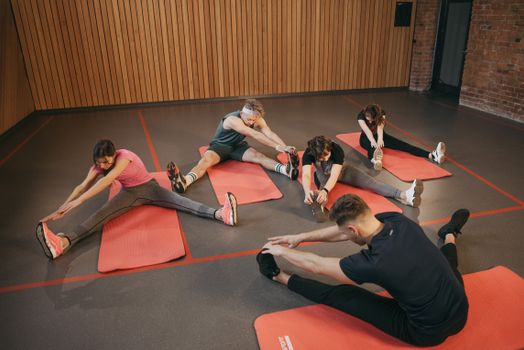
The challenge is especially visible in training models built around dedicated spaces. CrossFit operators, for example, manage multiple locations with distinct training areas, equipment, and coaching teams. Boutique gyms, studios, and academies face the same hurdle. Every site needs its own class schedule, yet the whole brand needs to stay consistent.
That tension between local flexibility and global consistency is exactly the problem universities solved decades ago with a centralized timetable. A gym version of the same idea gives every location its own schedule while keeping the entire portfolio under one management platform. Operators can simplify class scheduling and drive operational efficiency across locations without losing the personal touch members expect from a local club.
What Universities Get Right About Shared Scheduling
Universities treat space as a shared resource. A single lecture hall can host a biology class at nine, a history seminar at eleven, and a chemistry lab in the afternoon. Rooms are assigned according to capacity, equipment needs, and instructor availability. No department owns a room outright, so every space stays busy throughout the day.
Gym operators can borrow that model directly. Multi-location gym scheduling software can automatically allocate spaces, rooms, and resources like CrossFit areas, yoga rooms, spinning cycles, athletic tracks, mats, and other equipment to your sessions. Instead of negotiating over a shared studio, each class gets the exact space it needs, and the schedule is visible across every location at once.
The university lesson is simple: centralize the timetable, share the rooms, and let the system resolve conflicts before they reach a human. The same principle that keeps a campus running can keep a multi-location fitness brand running just as smoothly.
Four Lessons Gym Operators Can Borrow
Moving from a single location to several does not mean multiplying the chaos. It means adopting better systems. These four lessons, borrowed from university scheduling, apply directly to gyms.
Centralize the Schedule, Not the Chaos
The most important shift for a growing gym brand is moving from scattered spreadsheets to a centralized platform. CrossFit gym management software, boutique studio platforms, and all-in-one gym systems all offer a centralized hub for scheduling, billing, member engagement, and reporting across all locations. One source of truth means a class change made at the main location shows up everywhere else instantly, and staff never have to wonder which version of the schedule is correct.
Treat Rooms and Equipment Like University Classrooms
Universities do not let every department claim permanent ownership of every lecture hall. They assign rooms based on demand. Gym software does the same when it automatically allocates training spaces. A spinning studio can host a morning ride, a lunchtime interval class, and an evening spin session. An athletic track can serve both running clubs and personal training clients. Smart resource sharing keeps utilization high and prevents the awkward conversation where two instructors want the same mat space at the same time.
Automate Repetitive Work
Universities moved away from paper registration forms decades ago. Multi-location fitness operators are doing the same with smart automation. Instead of manually confirming bookings, chasing payments, or updating rosters, staff can let the platform handle routine tasks. Some platforms are purpose-built for revenue cycle management with collection rates up to 98 percent. That frees managers to spend time on member experience and staff development rather than data entry.
Measure Attendance and Capacity Like a Registrar
A university registrar can tell you which courses are oversubscribed and which rooms sit empty. Fitness operators should track the same information. Start by tracking basic metrics like attendance, capacity utilization, and member satisfaction across all locations. Look for patterns in peak times and popular class types. If a mid-morning class fills up at one location, the same format may work at another. If a class consistently runs half empty, the schedule may need adjusting.

How Multi-Location Scheduling Software Works in Practice
Modern platforms are designed so one account can manage multiple gyms. That starts with the setup process. A new location can be added from the dropdown that appears when you click on the gym name or logo. From there, an Add New Location button sends you to a gym creation form where you configure the new site. It is a straightforward process that avoids building a separate system for every club you open.
Once locations are created, the platform gives you a single view of the whole organization. You can centralize staff management, operations, and facility maintenance. Staff can be rostered across sites, equipment upkeep can be logged in one place, and day-to-day operations follow the same playbook at every location.
Sharing resources between locations also becomes easier. Equipment, staff, and even class formats can be standardized, and every club operates by the same rules. That consistency is what members notice when they visit a different branch of their gym.
For members, the experience stays consistent. They can book classes at any location, see real-time availability, and rely on recurring bookings for their regular routine. For owners, reporting covers the whole portfolio rather than one site at a time. Core capabilities to expect from multi-location gym scheduling software include:
- Centralized class scheduling across all locations
- Member bookings and recurring booking support
- Automatic allocation of rooms, equipment, and training spaces
- Staff management and facility maintenance tracking
- Reporting on attendance, capacity utilization, and member satisfaction
Questions to Ask Before Choosing Multi-Location Gym Software
Before committing to a platform, ask whether it matches the size and shape of your organization. Does the account plan support the number of gyms you want to manage? Some providers require a specific plan level before your trial expires, so confirm this early in the process.
Ask about the full scope of features, not just class scheduling. The strongest platforms cover billing, member engagement, and reporting in addition to the schedule. They also handle the operational side, including staff management and facility maintenance. A platform that only manages the class calendar will leave you juggling multiple tools anyway. Consistency across locations is one of the main goals of multi-location management, and when every club uses the same platform, policies, pricing, and class formats stay aligned.
Finally, ask about resource allocation. If your locations have distinct training spaces, such as a CrossFit area, yoga room, or spinning cycle, the software should assign those spaces automatically. Otherwise, you are still solving scheduling conflicts by hand, and the software is not doing its job.
Multi-location gym scheduling does not have to be complicated. Universities have shown that centralized scheduling and shared resources keep large organizations running smoothly. With the right platform, a fitness brand can deliver the same reliability to every member at every location.
Frequently Asked Questions
Here are answers to common questions about scheduling across multiple gym locations.
Can I manage multiple gym locations with one account?
Yes. Multi-location gym scheduling software lets you manage multiple gyms with the same account. You will need an account plan that supports the number of gyms you wish to manage before your trial expires. Each new location is added from a dropdown menu and its own setup form, so the whole portfolio stays under one login.
How does multi-location gym scheduling improve daily operations?
It brings scheduling, billing, member engagement, and reporting into one centralized platform. Operators can centralize staff management, operations, and facility maintenance instead of working from separate systems. Automation handles repetitive tasks, while shared resource allocation ensures training areas and equipment are used efficiently across all locations.
What features matter most for multi-location fitness software?
Look for centralized class scheduling, member bookings, and recurring booking support. Resource allocation matters too, especially if locations include CrossFit areas, yoga rooms, spinning cycles, athletic tracks, or mats. Reporting on attendance, capacity utilization, and member satisfaction helps you spot patterns in peak times and popular classes across every site.
How do I track performance across multiple locations?
Start by tracking basic metrics like attendance, capacity utilization, and member satisfaction across all locations. Look for patterns in peak times and popular class types. Centralized reporting gives managers a single view of each site, so successful formats at one location can be repeated at another and underused slots can be adjusted.
Tired of Struggling with Your Gym's Software?
Simplify your operations, save money, and get the support you need with Club Systems.